Spinal
Injections
For Back Pain Relief
Spinal injections are a highly effective treatment for chronic back and nerve pain. Our specialist-led procedures target inflammation at the source, helping relieve pain from conditions such as sciatica, herniated discs, and spinal stenosis.
What Are Spinal Injections?
Spinal injections are minimally invasive procedures used to deliver medication directly into specific areas of the spine. These injections help reduce inflammation, relieve nerve irritation, and provide targeted pain relief.
Conditions we treat
Sciatica
Sciatica is pain that starts in the lower back and radiates down the leg along the path of the sciatic nerve. Originating from nerve roots in the lower spine, the sciatic nerve passes through the hip and buttock, travels down the back of the leg to the knee, and extends into branches that reach the foot.
Symptoms
- Pain: A burning sensation or shooting pain starting from the lower back or buttock and radiating down the thigh and leg, sometimes reaching the feet.
- Numbness: Numbness in the back of the leg, often accompanied by tingling or weakness.
- One-sided symptoms: Sciatica usually affects one leg, causing a feeling of heaviness. Rarely, both legs may be affected.
- Posture-induced symptoms: Symptoms can worsen when sitting, standing up, bending forward, twisting the spine, lying down, or coughing. Relief may come from walking or applying heat to the lower back.
Treatments We Offer
Ultrasound guided Steroid Injection delivers steroids directly near the affected discs to reduce inflammation, relieve lower back pain, and ease nerve irritation from disc degeneration. ‘
Nerve Block Injection targets the affected nerves to block pain signals, offering significant relief from chronic back pain linked to disc degeneration.
Ultrasound-guided cortisone injections for sciatica are used to deliver corticosteroids directly to the area around the inflamed sciatic nerve, providing targeted relief from pain.
Herniated Discs
A herniated disc occurs when the soft, jelly-like center (nucleus) of a spinal disc pushes through a tear in its tougher outer layer (annulus). These rubbery cushions sit between the vertebrae of the spine, absorbing shock and aiding movement. When herniation happens—commonly in the lower back—it can lead to pain, numbness, or weakness. This condition is also referred to as a slipped or ruptured disc and can affect any part of the spine.
Symptoms
- Arm or leg pain: If the herniated disc is in the lower back, pain is usually felt in the lower back, buttocks, thigh, and calf, and sometimes in part of the foot. For a herniated disk in the neck, the most pain is typically felt in the shoulder and arm, which can shoot into the arm or leg when coughing, sneezing, or moving into certain positions. This pain is often described as sharp or burning.
- Numbness or tingling: Radiating numbness or tingling can occur in the body part served by the affected nerves.
- Weakness: Muscles served by the affected nerves tend to weaken, which can cause stumbling or difficulty in lifting or holding items.
Treatments We Offer
Ultrasound guided steroid injection for a herniated disc uses ultrasound guidance to accurately place a needle into the epidural space at the base of the spine. A combination of corticosteroids and anesthetics is then injected to reduce inflammation and relieve pain, offering targeted relief for symptoms caused by herniated discs.
Pain Reduction Mechanism
- Reduction of Inflammation: Corticosteroids are powerful anti-inflammatory agents. When injected into the epidural space, they reduce inflammation around the herniated disc and the irritated spinal nerves. This helps decrease pain and swelling, providing relief from symptoms like radicular pain (pain radiating along the nerve path)
- Reduction of Nerve Sensitization: The corticosteroids reduce the production of inflammatory cytokines and other chemical mediators that sensitize nerve fibers. This decreases the transmission of pain signals from the nerve roots to the brain
- Temporary Nerve Block: Local anesthetics, if included in the injection, can provide temporary pain relief by blocking nerve signal transmission. This immediate pain relief can help the patient regain mobility and participate in physical therapy, which is essential for long-term recovery.
- Modulation of Immune Response: Corticosteroids can modulate the immune response, further reducing the inflammatory process. This modulation helps prevent the cascade of events that lead to chronic pain and inflammation.
Benefits of Caudal Epidural Steroid Injections
Caudal Epidural Steroid Injections (CESIs) offer several benefits for herniated disc pain:
- Pain Relief – Reduces lower back and leg pain by easing nerve inflammation.
- Decreased Inflammation – Steroids reduce swelling around nerve roots.
- Non-Surgical – Minimally invasive, avoiding surgery.
- Improved Mobility – Pain relief helps with daily movement and physical therapy.
- Low Risk – Safe procedure with minimal side effects.
- Alternative to Surgery – Delays or avoids the need for surgery.
Degenerative Disc Disease
Degenerative disc disease occurs when natural changes in the spinal discs cause pain over time. Despite its name, it’s not a disease but a condition that develops gradually due to aging, injuries, repetitive activities, or when a disc loses hydration and shrinks.
Symptoms
- Feels worse when sitting and better when moving and walking
- Feels worse when bending, lifting, or twisting
- Improves when changing positions or lying down
Treatments We Offer
Ultrasound guided Steroid Injection delivers steroids directly into the epidural space near the affected discs to reduce inflammation, relieve lower back pain, and ease nerve irritation from disc degeneration. ‘
Nerve Block Injection targets the affected nerves to block pain signals, offering significant relief from chronic back pain linked to disc degeneration.
Spinal Stenosis
Spinal stenosis occurs when openings in the spine narrow, reducing space for the nerves. This narrowing can happen in the spinal canal or in the spaces where nerves exit. The compression of a nerve or spinal cord can cause pain, tingling, numbness, or weakness, depending on the location and severity.
Symptoms
- Radicular Pain: Radiates from the spine into an arm or leg, or less commonly into both arms or legs. This pain can range from a dull ache or tenderness to an electric-like pain or burning sensation.
- Radiculopathy: Neurological deficits stemming from spinal nerve root compression, such as tingling, numbness, or weakness that extends into an arm or leg.
Treatments We Offer
- Ultrasound guided Steroid Injection
Myelopathy
Neurological deficits stemming from spinal cord compression, such as tingling, numbness, or weakness that extends into both arms and/or legs. Myelopathy could also involve dysfunction elsewhere in the body, such as problems with bladder/bowel control.
An early diagnosis and prompt surgical consultation is essential to prevent irreversible spinal cord damage. MRI is the gold standard for diagnosis. Surgery is generally recommended for moderate-to-severe cases, while mild cases may be managed with surgery or structured rehabilitation, with rapid surgical intervention required for progressive deterioration.
Cauda Equina Syndrome
Results in neurological deficits from compression of the cauda equina (spinal nerve roots that continue below the spinal cord). Signs and symptoms may develop in the lower extremities, including saddle anesthesia and/or bowel/bladder incontinence. This condition requires immediate medical attention to avoid permanent nerve damage.
Spondylolisthesis
Spondylolisthesis is a spinal condition where one of the lower vertebrae slips forward over the bone beneath it. While it can cause pain, it is often treatable with both therapeutic and surgical options. Practicing proper exercise techniques may also help prevent or reduce the risk of this condition.
Symptoms
- Persistent lower back pain
- Stiffness in the back and legs
- Lower back tenderness
- Thigh pain
- Tight hamstring and buttock muscles
Treatments We Offer
Ultrasound guided Steroid Injection: This procedure delivers anti-inflammatory medication into the epidural space to reduce pain and inflammation caused by the slipped vertebra pressing on nearby nerves. It helps ease nerve irritation and improves comfort.
Nerve Block Injection: By blocking pain signals from the affected nerves, this injection provides significant relief from the chronic pain and discomfort often linked with Spondylolisthesis.
Facet Joint Syndrome
Facet joint disease, also called zygapophyseal joint disease, occurs when the small joints in the spine become a source of pain. This condition is especially common with aging and can lead to chronic disability and a significant economic burden. In fact, facet joint disease is responsible for 15% to 41% of chronic low back pain cases. A related condition, known as facet syndrome, involves the facet joints and their nerve supply, causing both localized and radiating pain.
Symptoms
- Unilateral axial neck pain
- Pain with limited extension and rotation
- Local or radiating pain into the shoulders or upper back Lumbar facet syndrome symptoms include:
- Lower back pain or tenderness
- Pain or stiffness with certain movements
- Referred pain to the flank, hip, upper lateral thigh, and, in rare cases, the foot .
Treatments We Offer
- Facet joint injections are treatments designed to alleviate back pain originating from issues with the facet joints or the nerves supplying these joints. Using ultrasound guidance, the clinician administers a local anaesthetic, with or without steroid medication, into the small joints between the spinal bones. The local anaesthetic helps reduce pain, while the steroid addresses inflammation, extending the injection’s effectiveness.
Types of Spinal Injections We Offer
- Ultrasound guided steroid injections – for nerve pain & inflammation
- Facet joint injections – for joint-related back pain
- Nerve blocks – for chronic pain conditions
- Trigger point injections – for muscle-related pain
How Spinal Injections Work
Spinal injections work by delivering anti-inflammatory medication directly to the affected area of the spine. This helps reduce swelling, relieve pressure on nerves, and improve movement.
Using image guidance ensures accurate placement, improving safety and effectiveness.
Are Spinal Injections Right for You?
- Persistent back or neck pain
- Pain radiating down legs (sciatica)
- Limited mobility
- Not responding to physiotherapy
- Looking to avoid surgery
Benefits of Spinal Injections
- Minimally invasive
- Reduces inflammation at the source
- Improves mobility and function
- Helps avoid or delay surgery
Joint Injections for Different Areas of Pain

Shoulder Pain Injections
Frozen Shoulder
Rotator Cuff Tears
Impingement
Bursitis
Elbow Joint Injections
Tennis Elbow
Golfer’s Elbow
Osteoarthritis
Wrist Pain Treatment
Carpal Tunnel
Trigger Finger
Osteoarthritis
Spine Pain Injections
Sciatica
Herniated Discs
Localised Pain
Spinal Stenosis
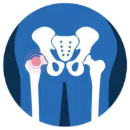
Hip Joint Injections
Osteoarthritis
Trochanteric Pain
Sacroiliac Dysfunction
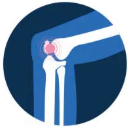
Knee Pain Injections
Osteoarthritis
Ligament Issues
Patello-Femoral Pain
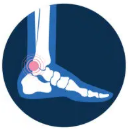
Ankle Pain Treatment
Osteoarthritis
Plantar Fasciitis
Tendonitis
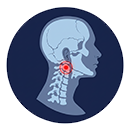
Neck Pain & Nerve Treatment
Facet Joint Syndrome
Trigger points
Headaches