
Carpal Tunnel Syndrome Treatment in Milton Keynes: Symptoms, Causes & Effective Relief
Carpal tunnel syndrome treatment Milton Keynes patients are searching for has become increasingly advanced, allowing many people to find effective relief without surgery. If you are experiencing numbness, tingling, weakness, burning sensations, or pain in your hand and wrist, everyday activities such as typing, driving, gripping objects, cooking, or even sleeping comfortably can become difficult.
At Chronic Pain Management (CPM), we provide personalised carpal tunnel syndrome treatment Milton Keynes patients can trust. Our focus is on identifying the cause of symptoms, reducing pressure on the median nerve, improving hand function, and helping patients return to work and daily activities with greater comfort and confidence.
Understanding Carpal Tunnel Syndrome Treatment Milton Keynes Options
Carpal tunnel syndrome is one of the most common nerve compression conditions affecting the wrist and hand. It develops when the median nerve becomes compressed as it travels through a narrow passage in the wrist known as the carpal tunnel.
As pressure on the nerve increases, symptoms can progress from occasional tingling to persistent pain, numbness, weakness, and reduced hand function.
Early carpal tunnel syndrome treatment Milton Keynes services may help reduce symptoms before permanent nerve irritation develops.
What Does the Median Nerve Do?
The median nerve controls sensation in the thumb, index finger, middle finger, and part of the ring finger. It also helps control several important muscles within the hand.
When the nerve becomes compressed, signals cannot travel normally. This may lead to altered sensation, weakness, reduced dexterity, and discomfort.
Common Causes of Carpal Tunnel Syndrome
Several factors can contribute to increased pressure within the carpal tunnel.
- Repetitive hand and wrist movements
- Office-based work and prolonged keyboard use
- Manual labour occupations
- Use of vibrating tools
- Previous wrist injuries
- Inflammatory conditions
- Arthritis affecting the wrist
- Swelling around tendons
- Poor wrist positioning during work
Many patients seeking carpal tunnel syndrome treatment Milton Keynes services notice symptoms gradually developing over months or even years.
Who Is Most at Risk?
- Office workers
- Tradespeople
- Factory workers
- Healthcare professionals
- Hairdressers
- Musicians
- People performing repetitive hand movements
Although anyone can develop the condition, repetitive strain and prolonged wrist positioning are common contributing factors.
Symptoms That May Require Carpal Tunnel Syndrome Treatment Milton Keynes
Symptoms often begin gradually and may initially seem minor. Over time they can become increasingly disruptive.
- Numbness in the thumb, index, and middle fingers
- Tingling sensations in the hand
- Burning pain in the wrist or hand
- Weak grip strength
- Dropping objects unexpectedly
- Difficulty with fine motor tasks
- Night-time symptoms affecting sleep
- Hand weakness and fatigue
If symptoms persist or worsen, professional assessment is recommended.
When Should You Seek Professional Assessment?
You should consider seeking assessment if symptoms last longer than a few weeks, affect sleep, interfere with work, reduce grip strength, or make everyday activities more difficult.
Early intervention often leads to better outcomes and may reduce the likelihood of requiring surgical treatment.
Carpal Tunnel Syndrome Treatment Milton Keynes: Modern Non-Surgical Solutions
At CPM, we focus on evidence-based, non-surgical approaches wherever possible.
Comprehensive Assessment
Your treatment journey begins with a detailed assessment of symptoms, medical history, work activities, and lifestyle factors.
This may include:
- Physical examination
- Wrist mobility assessment
- Grip strength testing
- Nerve irritation testing
- Functional assessment
- Diagnostic imaging where appropriate
Physiotherapy for Carpal Tunnel Syndrome Treatment Milton Keynes Patients
Physiotherapy remains one of the most valuable components of carpal tunnel syndrome treatment Milton Keynes specialists recommend.
Treatment may include:
- Nerve gliding exercises
- Wrist mobility exercises
- Strengthening programmes
- Postural correction
- Workstation advice
- Activity modification guidance
Many patients also benefit from our chronic pain therapy services.
MSK Ultrasound Assessment
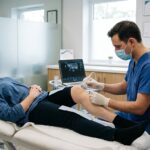
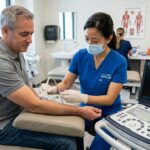
Our clinicians may utilise MSK ultrasound to assess soft tissue structures, inflammation, and areas contributing to symptoms.
Ultrasound imaging can provide valuable information while helping guide treatment decisions.
Ultrasound-Guided Injections for Carpal Tunnel Syndrome Treatment Milton Keynes
For patients whose symptoms persist despite conservative treatment, ultrasound-guided injections may be considered.
Using ultrasound guidance improves precision by allowing clinicians to visualise the target area in real time.
Cortisone Injections
Cortisone injections may help reduce inflammation around the median nerve and improve symptoms.
- Reduced inflammation
- Improved hand function
- Reduced pain and tingling
- Support for rehabilitation
Learn more about our cortisone injections.
Other Injection Options
Depending on the underlying diagnosis, additional injection-based treatments may be discussed as part of a personalised treatment plan.
Further information is available on our joint injections Milton Keynes page.
Benefits of Carpal Tunnel Syndrome Treatment Milton Keynes Patients Can Expect
- Reduced numbness and tingling
- Improved hand strength
- Better sleep quality
- Reduced pain
- Improved work performance
- Enhanced hand function
- Potential avoidance of surgery
- Improved quality of life
The right carpal tunnel syndrome treatment Milton Keynes strategy can make a significant difference to both symptoms and day-to-day function.
Risks and Side Effects of Carpal Tunnel Syndrome Treatment Milton Keynes Options
Most treatments are safe when performed by experienced clinicians.
- Temporary soreness
- Mild swelling
- Bruising
- Short-term increase in symptoms
- Rare risk of infection following injections
Your clinician will discuss the benefits and potential risks before treatment begins.
What to Expect from Carpal Tunnel Syndrome Treatment Milton Keynes Services
Initial Consultation
A detailed consultation helps identify the nature and severity of symptoms.
Diagnosis
Clinical findings and imaging are reviewed where appropriate.
Personalised Treatment Plan
Your treatment plan is tailored to your symptoms, lifestyle, and goals.
Ongoing Rehabilitation
Progress is monitored and treatment adjusted as required.
Can Carpal Tunnel Syndrome Be Prevented?
While prevention is not always possible, certain strategies may reduce risk.
- Taking regular breaks from repetitive tasks
- Maintaining good posture
- Using ergonomic workstations
- Avoiding prolonged wrist flexion
- Performing mobility exercises
Why Choose CPM for Carpal Tunnel Syndrome Treatment Milton Keynes?
- Specialist musculoskeletal clinicians
- Evidence-based treatment plans
- Ultrasound-guided procedures
- Patient-centred care
- Non-surgical treatment expertise
- Comprehensive rehabilitation support
At CPM, our goal is to help patients reduce symptoms, improve hand function, and regain confidence in daily activities.
Frequently Asked Questions
Can carpal tunnel syndrome improve without surgery?
Yes. Many patients respond well to physiotherapy, activity modification, and injection therapy.
How do I know if I have carpal tunnel syndrome?
Common symptoms include numbness, tingling, weakness, and pain affecting the thumb, index, and middle fingers.
Are cortisone injections effective?
They may help reduce inflammation and improve symptoms in appropriate cases.
Can physiotherapy help?
Yes. Physiotherapy often forms an important part of treatment and rehabilitation.
When should I seek treatment?
If symptoms persist, worsen, affect sleep, or interfere with work and daily activities.
Take the First Step Towards Relief
If you are searching for trusted carpal tunnel syndrome treatment Milton Keynes, CPM can help. Our team provides assessment, rehabilitation, physiotherapy, and ultrasound-guided treatment options designed to improve hand function and reduce symptoms.
Book your consultation today and take the first step towards lasting relief.