Knee Pain Treatment in Milton Keynes: When to Consider Injection Therapy
Knee pain is one of the most common musculoskeletal problems affecting adults of all ages. Whether caused by arthritis, sports injuries, overuse, or age-related degeneration, ongoing knee pain can make everyday activities difficult and frustrating.
Simple tasks such as climbing stairs, walking, exercising, or even getting out of a chair may become painful over time. For many people searching for effective knee pain treatment in Milton Keynes, non-surgical treatments such as physiotherapy and ultrasound-guided injection therapy can provide significant relief without the need for surgery.
In this guide, we explain the common causes of knee pain, when injection therapy may be appropriate, and how modern non-surgical treatments can help improve mobility and quality of life.
What Causes Knee Pain?
The knee is a complex joint that supports body weight and movement. Because it is used constantly, it is vulnerable to injury, inflammation, and wear and tear.
Knee Osteoarthritis
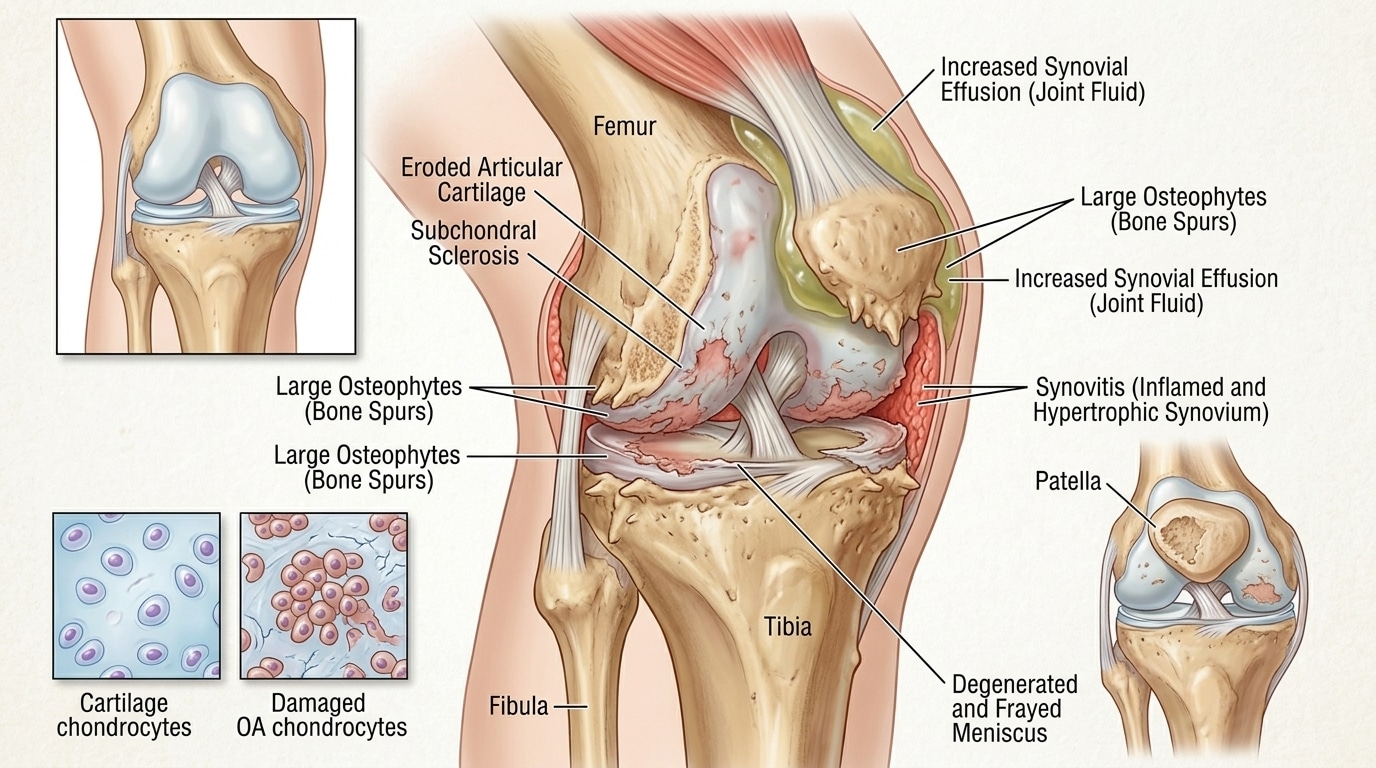
Osteoarthritis is one of the leading causes of chronic knee pain, especially in adults over 45. It develops when the cartilage cushioning the joint gradually wears away.
Symptoms often include:
- Pain during movement
- Stiffness after rest
- Swelling around the knee
- Clicking or grinding sensations
- Reduced flexibility
As the condition progresses, even simple daily activities may become difficult.
Sports and Overuse Injuries
Knee injuries can occur during sports, exercise, or repetitive movements. Common conditions include:
- Ligament sprains
- Tendon injuries
- Runner’s knee
- Patellar tendinitis
- Meniscus tears
These injuries can cause swelling, instability, and pain during activity.
Meniscus Tears
The meniscus acts as a shock absorber inside the knee joint. A tear may occur suddenly during twisting movements or gradually through degeneration.
Symptoms may include:
- Sharp knee pain
- Locking or catching sensations
- Swelling
- Difficulty bending the knee
Bursitis and Inflammation
Inflammation of the small fluid-filled sacs around the knee (bursae) can lead to swelling and tenderness, particularly after repetitive kneeling or overuse.
Symptoms That Should Not Be Ignored
While mild knee pain may settle with rest, persistent symptoms should be assessed professionally.
You should seek medical advice if you experience:
- Knee pain lasting several weeks
- Swelling or inflammation
- Difficulty walking
- Pain climbing stairs
- Knee instability
- Pain during exercise
- Night pain affecting sleep
- Reduced range of motion
Early intervention often leads to better outcomes and may help avoid surgery later.
Non-Surgical Knee Pain Treatment in Milton Keynes
Many knee conditions can be treated effectively without surgery. At Chronic Pain Management (CPM), treatment plans are tailored to the underlying cause of the pain.
Physiotherapy for Knee Pain
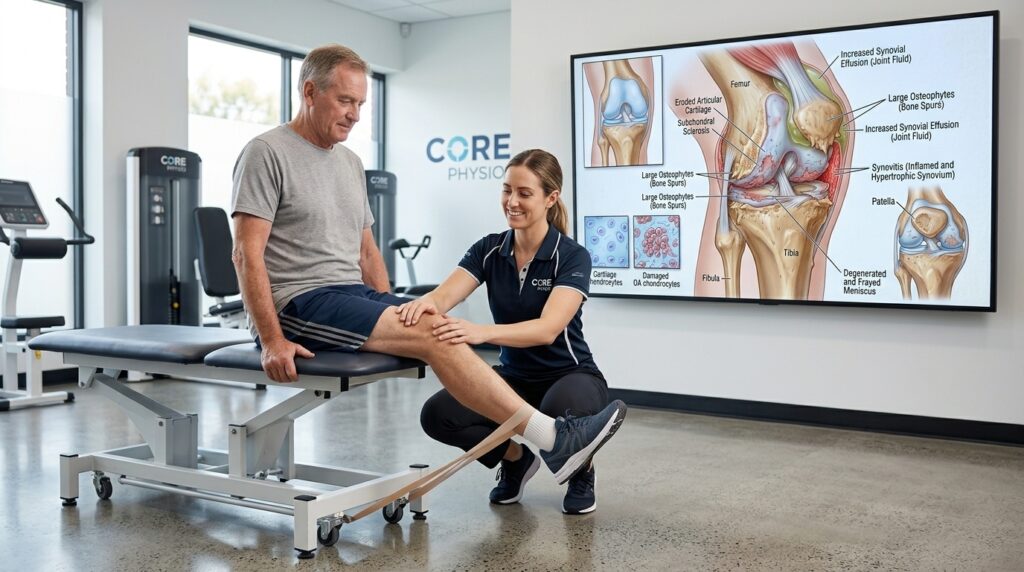
Physiotherapy is often one of the first recommended treatments for knee pain. Strengthening the muscles around the joint can reduce stress on the knee and improve stability.
Benefits of physiotherapy include:
- Improved mobility
- Reduced stiffness
- Better joint support
- Increased flexibility
- Reduced risk of future injury
A personalised rehabilitation programme may include stretching, strengthening exercises, posture correction, and movement retraining.
Lifestyle Changes and Self-Management
Lifestyle adjustments can significantly improve knee pain symptoms, especially for arthritis-related conditions.
Helpful strategies may include:
- Weight management
- Low-impact exercise
- Activity modification
- Supportive footwear
- Strength training
- Heat and cold therapy
These approaches are often combined with medical treatment for better long-term results.
What Is Injection Therapy for Knee Pain?
Injection therapy is a minimally invasive treatment designed to reduce inflammation, relieve pain, and improve movement within the knee joint.
For many patients seeking knee pain treatment in Milton Keynes, injections can provide relief when physiotherapy and medication alone are not enough.
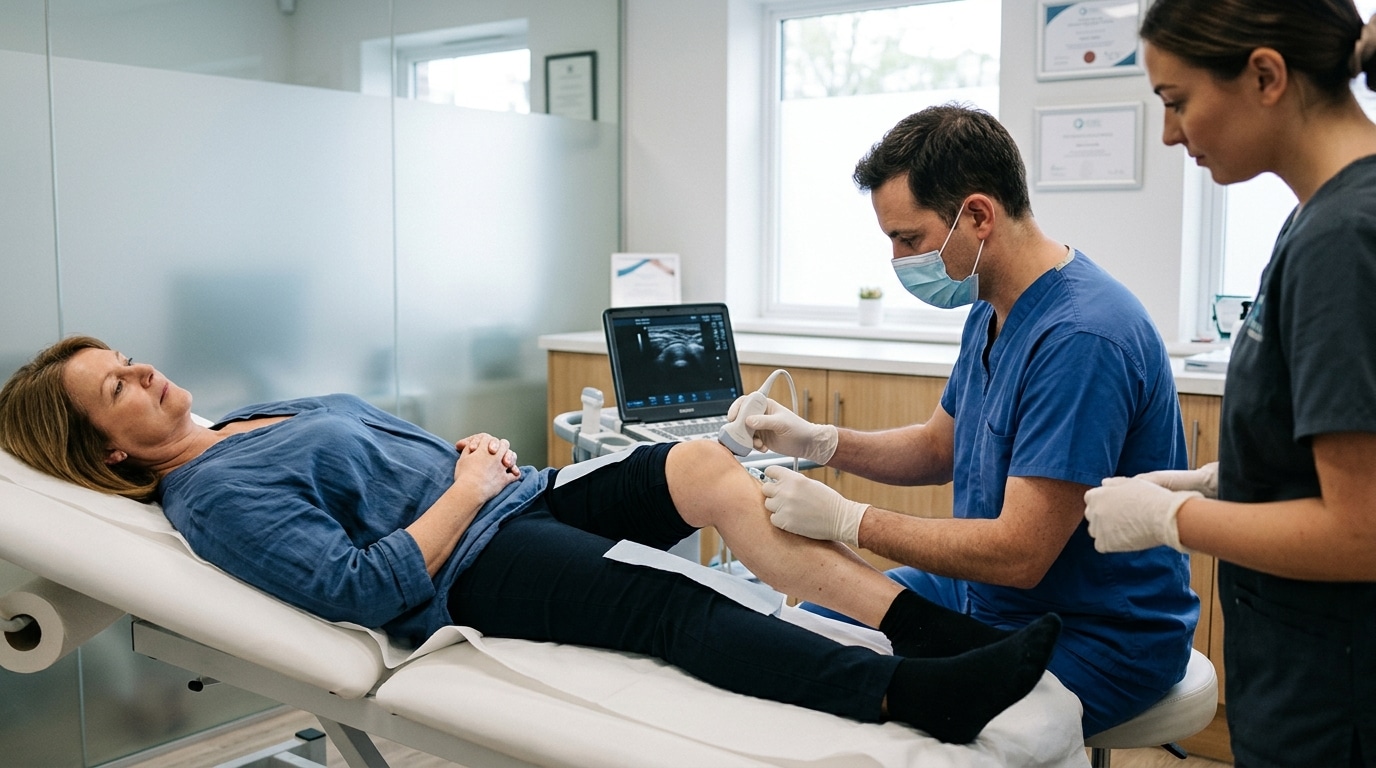
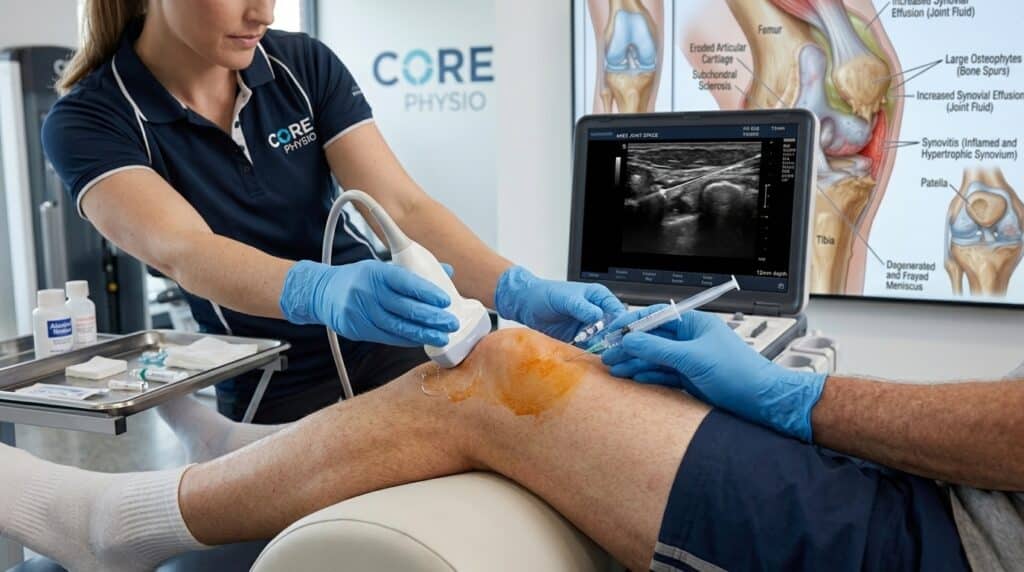
Modern ultrasound-guided injections improve precision by allowing clinicians to accurately target the affected area.
Types of Knee Injection Therapy
Steroid Injections for Knee Pain
Corticosteroid injections are commonly used to reduce inflammation inside the knee joint.
They may help treat:
- Knee osteoarthritis
- Joint inflammation
- Swelling and stiffness
- Arthritis flare-ups
- Tendon inflammation
Benefits may include:
- Fast pain relief
- Reduced inflammation
- Improved mobility
- Better participation in rehabilitation
Many patients notice improvement within days of treatment.
Hyaluronic Acid Knee Injections
Hyaluronic acid injections are designed to improve joint lubrication and cushioning.
These injections may benefit patients with mild to moderate osteoarthritis by helping the joint move more smoothly.
Potential benefits include:
- Reduced joint friction
- Improved flexibility
- Less stiffness
- Enhanced movement comfort
Results can develop gradually over several weeks.
When Should You Consider Injection Therapy?
Injection therapy may be recommended when:
- Knee pain continues despite physiotherapy
- Daily activities are becoming difficult
- Painkillers are no longer effective
- Inflammation is limiting mobility
- Arthritis symptoms are worsening
- You want to delay or avoid surgery
A clinical assessment and ultrasound scan can help determine whether injections are appropriate for your condition.
What Happens During an Ultrasound-Guided Knee Injection?
Ultrasound guidance allows clinicians to see the knee structures in real time, ensuring precise placement of the injection.
The procedure typically involves:
- Assessment of the knee using ultrasound imaging
- Cleaning and preparing the area
- Precise delivery of medication into the affected joint
- Aftercare advice and rehabilitation guidance
Most injections are completed quickly, and patients usually return home shortly afterwards.
Benefits of Ultrasound-Guided Knee Injections
Compared with non-guided injections, ultrasound guidance offers several advantages:
- Greater injection accuracy
- Improved treatment effectiveness
- Better targeting of inflamed tissue
- Reduced discomfort
- Lower risk of complications
This modern approach is widely used in advanced musculoskeletal clinics.
Are There Any Risks or Side Effects?
Injection therapy is generally safe when performed by experienced clinicians. However, some patients may experience temporary side effects such as:
- Mild soreness
- Temporary swelling
- Bruising
- Short-term discomfort
Serious complications are rare but will always be discussed during consultation.
Can Injection Therapy Help Avoid Surgery?
For many patients, injection therapy may help delay or reduce the need for surgery by controlling inflammation and improving knee function.
While not every condition can be treated without surgery, combining injections with physiotherapy and lifestyle management often produces excellent results.
Why Choose Chronic Pain Management (CPM)?
At CPM, patients receive comprehensive non-surgical care for a wide range of musculoskeletal conditions.
Our approach focuses on:
- Accurate diagnosis
- Personalised treatment plans
- Ultrasound-guided precision injections
- Long-term pain management
- Rehabilitation-focused recovery
We aim to help patients regain mobility, reduce pain, and improve overall quality of life.
Frequently Asked Questions
How long do knee injections last?
Relief varies depending on the condition and injection type. Some patients experience relief for several months.
Are steroid knee injections painful?
Most patients experience only mild discomfort during the procedure. Ultrasound guidance helps improve precision and minimise discomfort.
Can hyaluronic acid injections help arthritis?
Yes. Hyaluronic acid injections may improve lubrication and reduce stiffness in patients with knee osteoarthritis.
How quickly do steroid injections work?
Many patients notice improvement within a few days, although full results may take slightly longer.
Do I still need physiotherapy after injections?
Yes. Physiotherapy often improves long-term outcomes by strengthening the knee and supporting recovery.
Conclusion
Persistent knee pain can significantly affect your mobility, independence, and overall wellbeing. Fortunately, modern non-surgical treatments such as physiotherapy and ultrasound-guided injection therapy can provide effective relief for many common knee conditions.
If you are searching for professional knee pain treatment in Milton Keynes, early assessment and personalised treatment may help you regain comfort and mobility without surgery.